What is the difference between snap-on and snap-on fittings?
Home ✦
Industry Knowledge ✦
What is the difference between snap-on and snap-on fittings?
What is the difference between snap-on and snap-on fittings?
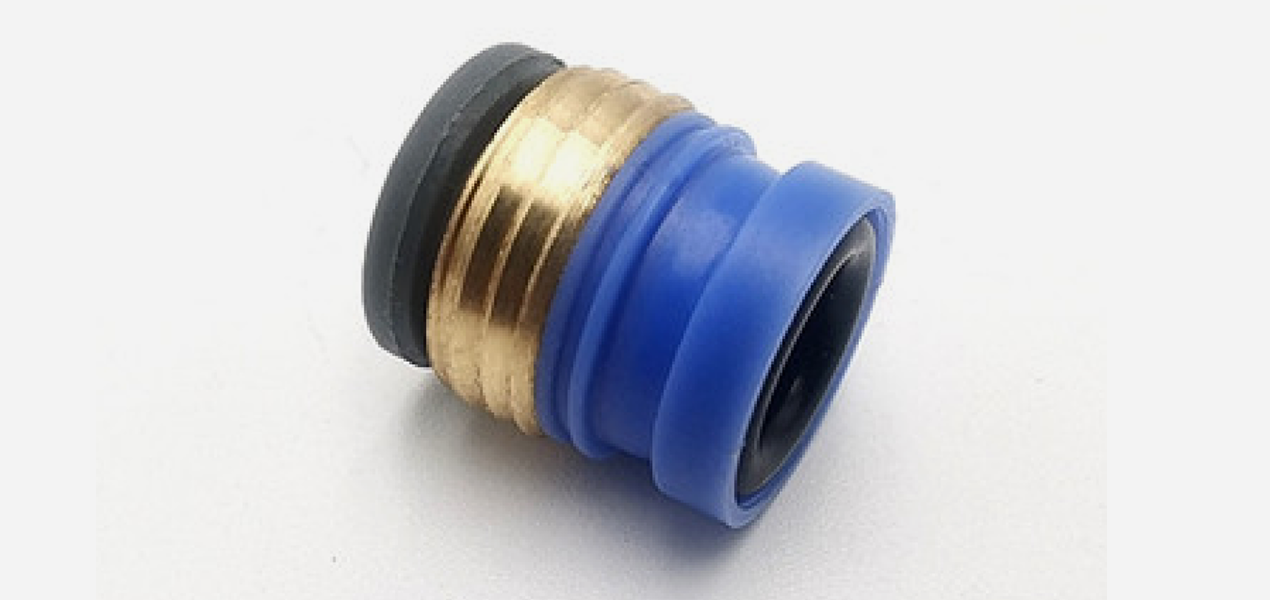
As devices continue to “miniaturize”, connectors also need to be smaller, more precise, and easier to connect. Embedded connectors and snap-on connectors have been widely used in various devices. Although both are connectors and have the function of connecting, there are obvious differences between the two. If you want to use them better, you need to distinguish the differences between the two.
First, snap-on connectors are built-in connectors, and unlike snap-on connectors, they cannot be easily removed and usually require specialized tools to perform some repair or replacement work on the equipment.
Since this type of connector is built-in, it has a stronger load-bearing capacity in the equipment and has higher stability and reliability. In addition, this type of connector is often used in higher-end equipment, such as industrial control, medical equipment, etc., with better adaptability and durability.
The snap-on connector is a stand-alone connector that can be easily inserted and removed. This connector can be used in more common equipment, such as communication equipment, home appliances, etc. They are more convenient and easy to replace and maintain. In addition, this connector has a smaller size and can be used in smaller spaces to meet the needs of compact equipment.
Secondly, there are also differences in connection performance. Embedded connectors have stronger stability and contact reliability, and can support higher rates and higher transmission performance. Snap-on connectors have better durability and repeated connection capabilities, and can be more easily replaced and upgraded, improving the maintainability of the equipment.
In addition, the use environments of the two are also different. Embedded connectors are usually used in harsh working environments or places that require high protection performance, such as submarine cables and mining machinery, while snap-on connectors are used for equipment under normal environmental conditions, such as in homes and offices.
Embedded connectors and snap-on connectors have their own characteristics and advantages and disadvantages. In actual use, comprehensive consideration is required to select the appropriate connector. No matter which type of connector is used, as long as it is used correctly, it can improve the stability and maintainability of the equipment.
First, snap-on connectors are built-in connectors, and unlike snap-on connectors, they cannot be easily removed and usually require specialized tools to perform some repair or replacement work on the equipment.
Since this type of connector is built-in, it has a stronger load-bearing capacity in the equipment and has higher stability and reliability. In addition, this type of connector is often used in higher-end equipment, such as industrial control, medical equipment, etc., with better adaptability and durability.
The snap-on connector is a stand-alone connector that can be easily inserted and removed. This connector can be used in more common equipment, such as communication equipment, home appliances, etc. They are more convenient and easy to replace and maintain. In addition, this connector has a smaller size and can be used in smaller spaces to meet the needs of compact equipment.
Secondly, there are also differences in connection performance. Embedded connectors have stronger stability and contact reliability, and can support higher rates and higher transmission performance. Snap-on connectors have better durability and repeated connection capabilities, and can be more easily replaced and upgraded, improving the maintainability of the equipment.
In addition, the use environments of the two are also different. Embedded connectors are usually used in harsh working environments or places that require high protection performance, such as submarine cables and mining machinery, while snap-on connectors are used for equipment under normal environmental conditions, such as in homes and offices.
Embedded connectors and snap-on connectors have their own characteristics and advantages and disadvantages. In actual use, comprehensive consideration is required to select the appropriate connector. No matter which type of connector is used, as long as it is used correctly, it can improve the stability and maintainability of the equipment.